We pay for the training.
You bring the discipline.
What you get
- Paid training
- Specialized turbine expertise
- Real-world field experience
- Overtime opportunities
- Career advancement
- A skill few people possess
What it costs you
- Travel
- Long/irregular hours
- Time away from home
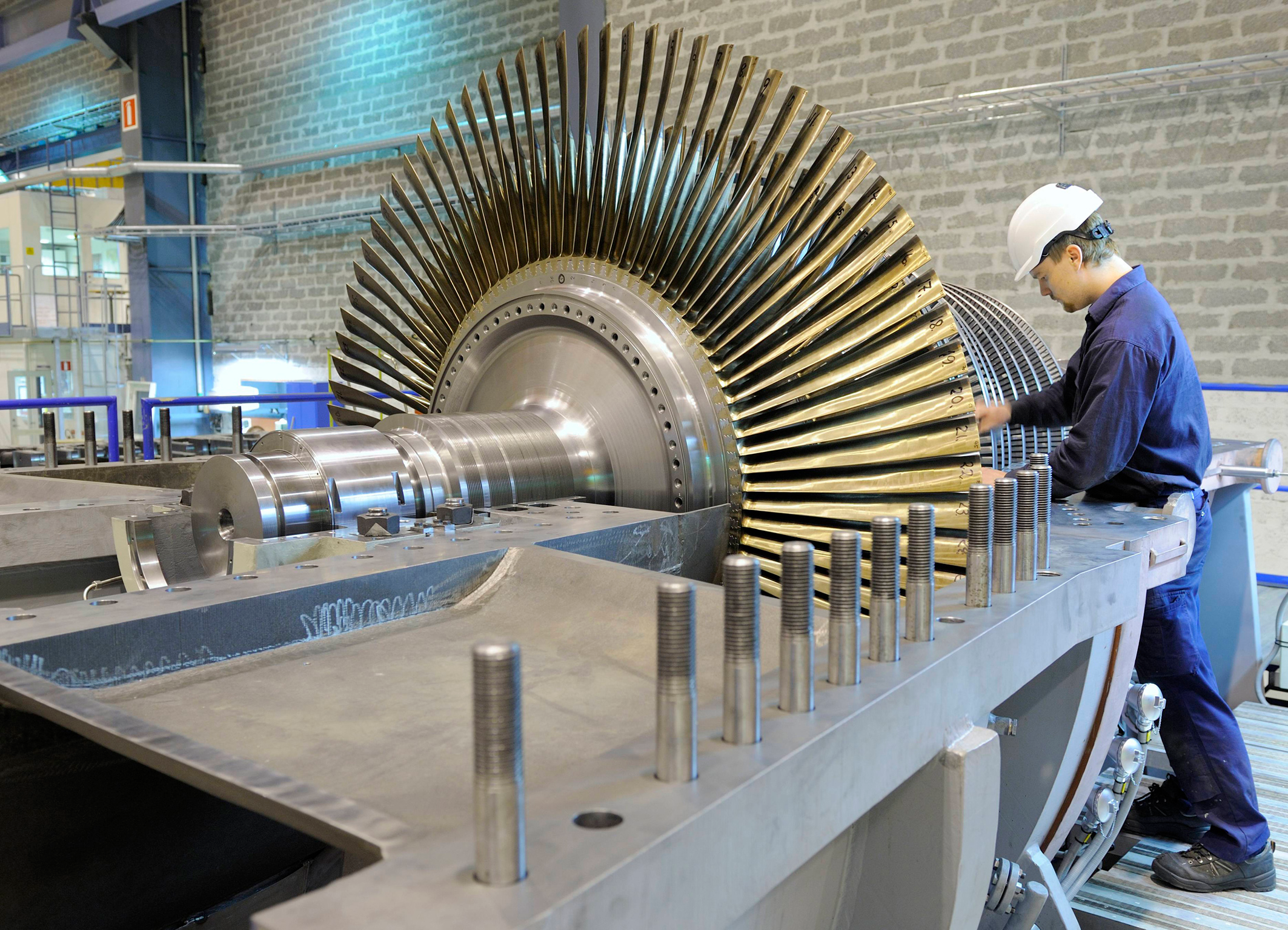
- Physical/industrial work environment
- High level of responsibility
- Discipline and continuous learning
ITC Field Engineer.
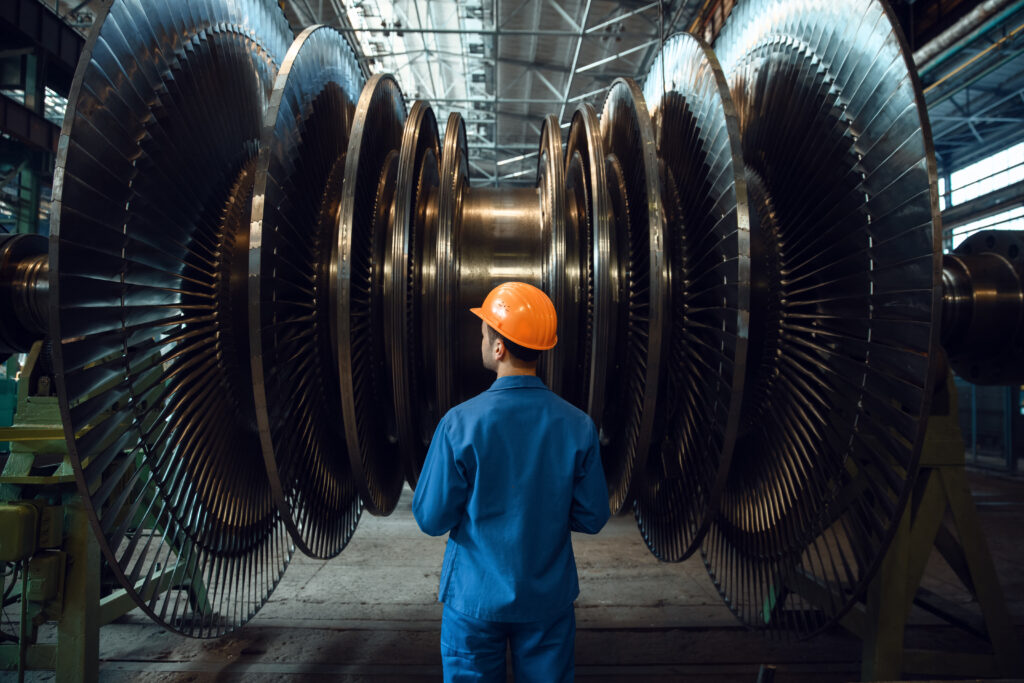
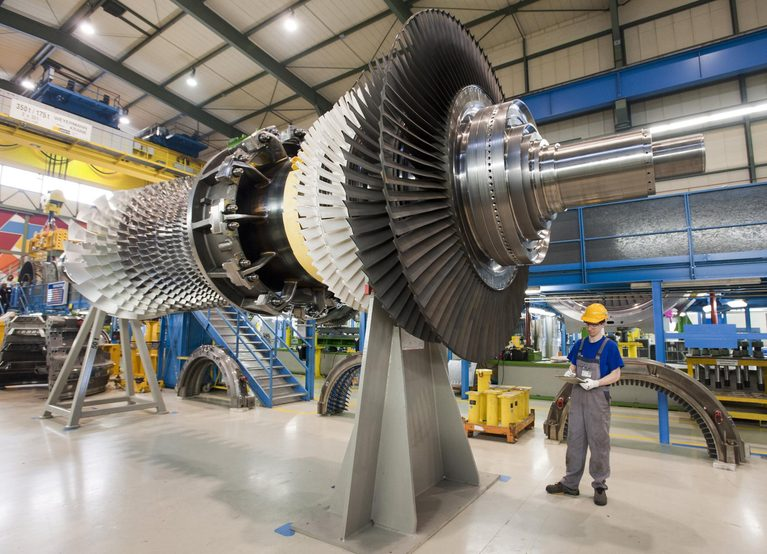
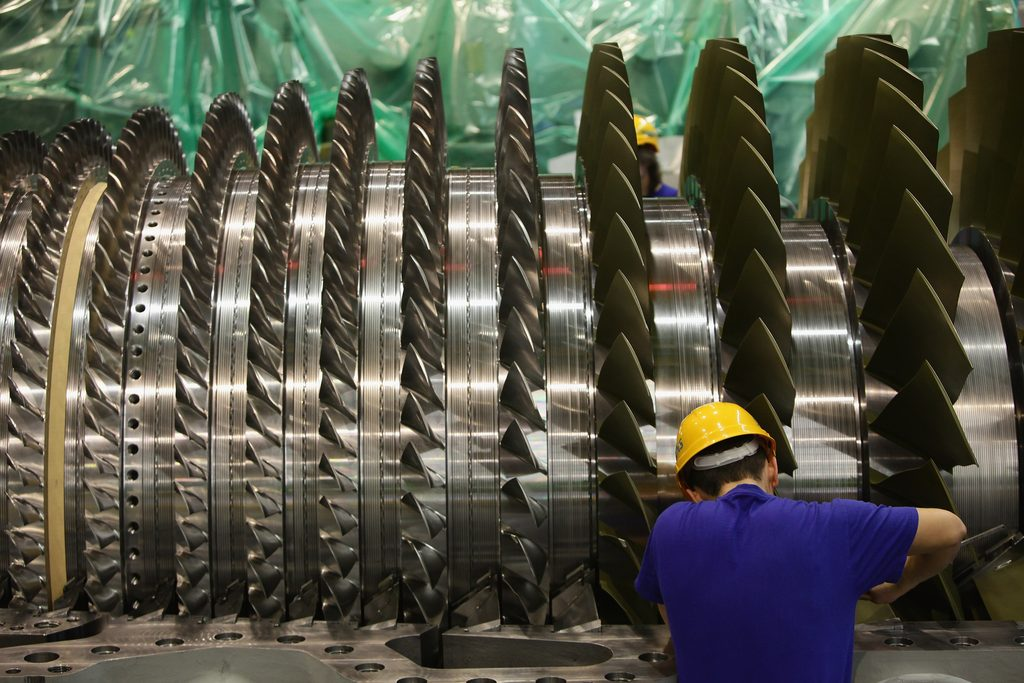
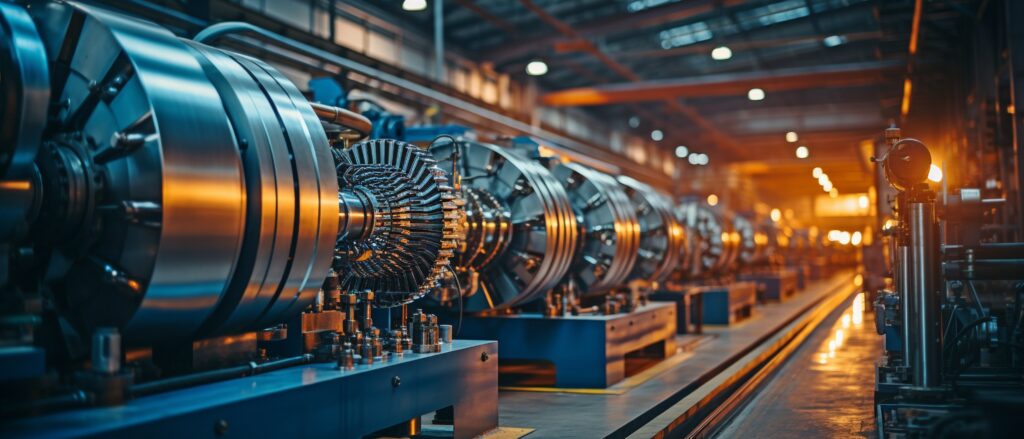
Power plants rely on massive gas and steam turbines to generate electricity. Every few years, these machines are shut down, opened, inspected, repaired, and reassembled during an outage that can run around the clock for weeks.
That is where you come in.
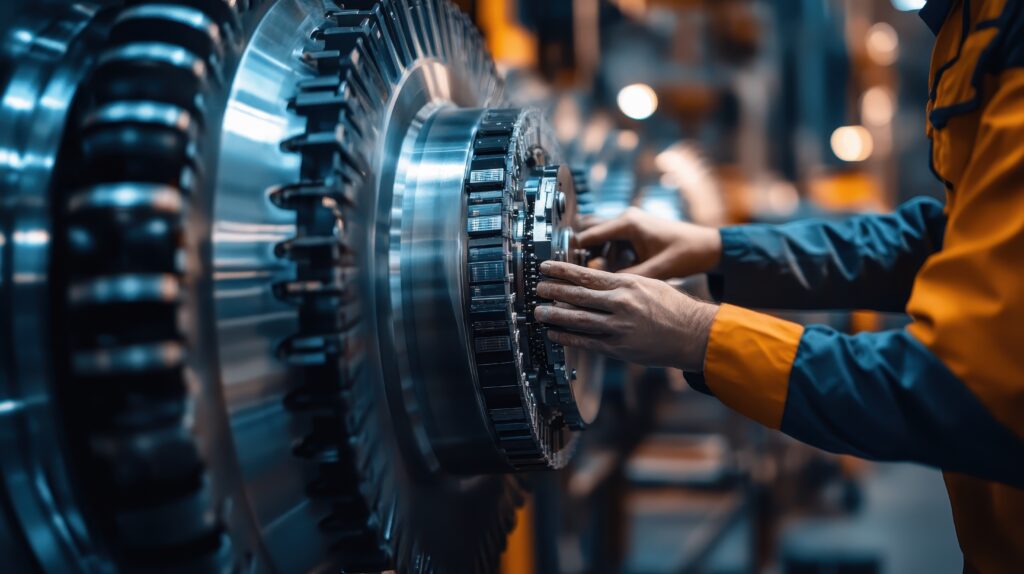
As an ITC Field Engineer, you are there to provide technical direction. You observe the work, inspect components, verify measurements, document findings, and help make the technical decisions that keep the project moving in the right direction.
You are not there to turn wrenches or operate equipment. You are there to understand the machine, recognize what matters, and provide the technical knowledge needed to make sure the work is done correctly.
You are the technical expert in the room.
Earn while you learn.
You don’t need turbine experience to start. You need an engineering foundation, the discipline to learn, and the willingness to work in the field.
ITC hires you as an employee from day one, with a salary and company-paid turbine training. This isn’t an internship or an unpaid apprenticeship. You’ll train alongside experienced turbine engineers, learning how to inspect equipment, understand turbine systems, document findings, and develop the technical judgment the job requires.
The goal is to prepare you for real turbine field assignments in one year or less.
Field-ready in one year or less.
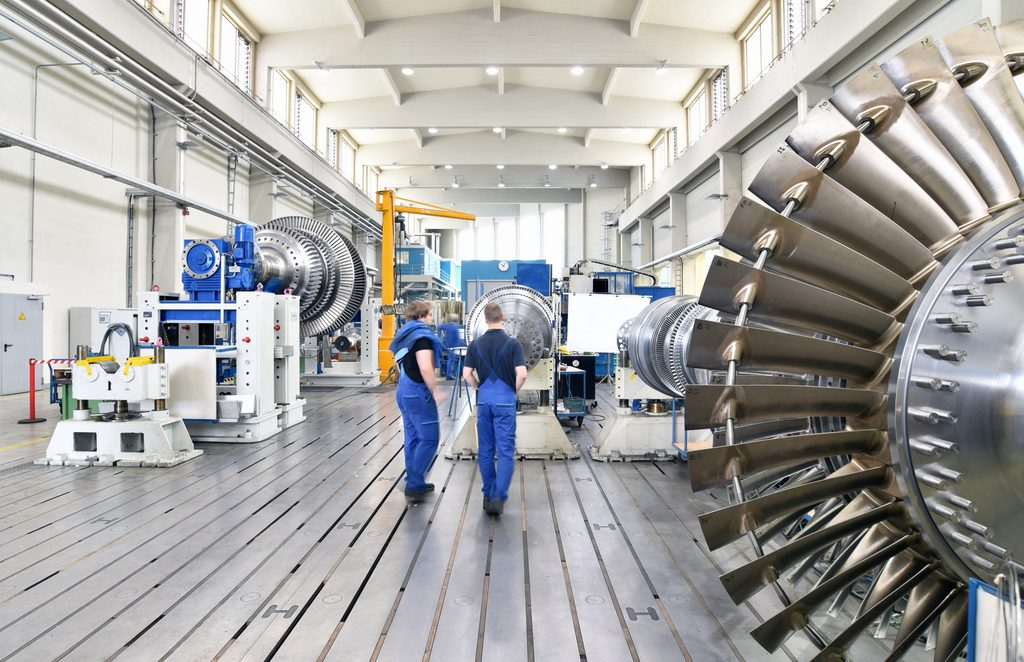
This isn’t a five-year apprenticeship. The program is designed to move qualified engineers from the classroom to billable field assignments within twelve months.
You’ll learn from engineers with decades of turbine experience and begin building a specialized skill set that normally takes years of field exposure to develop
Outage work changes the paycheck.
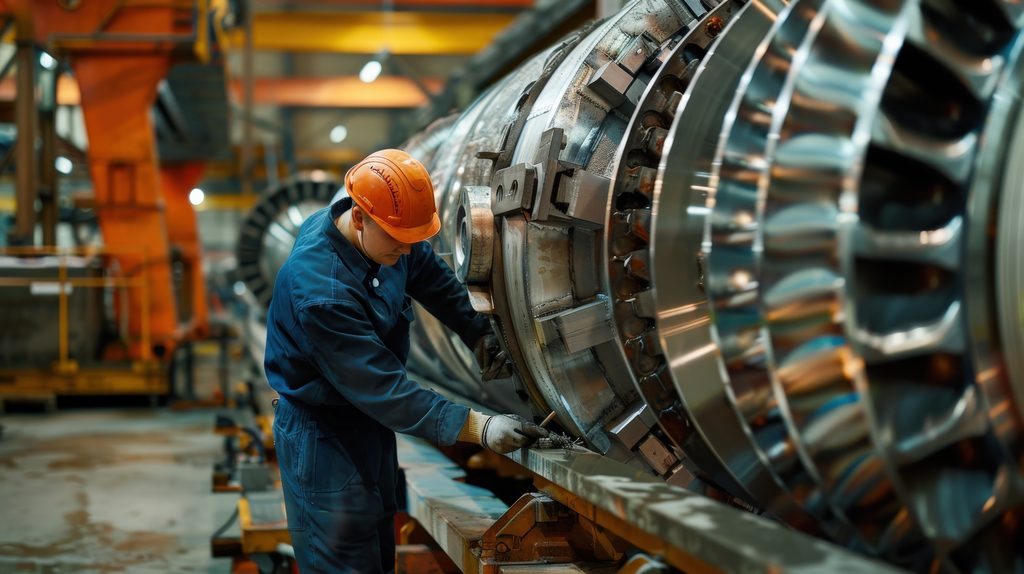
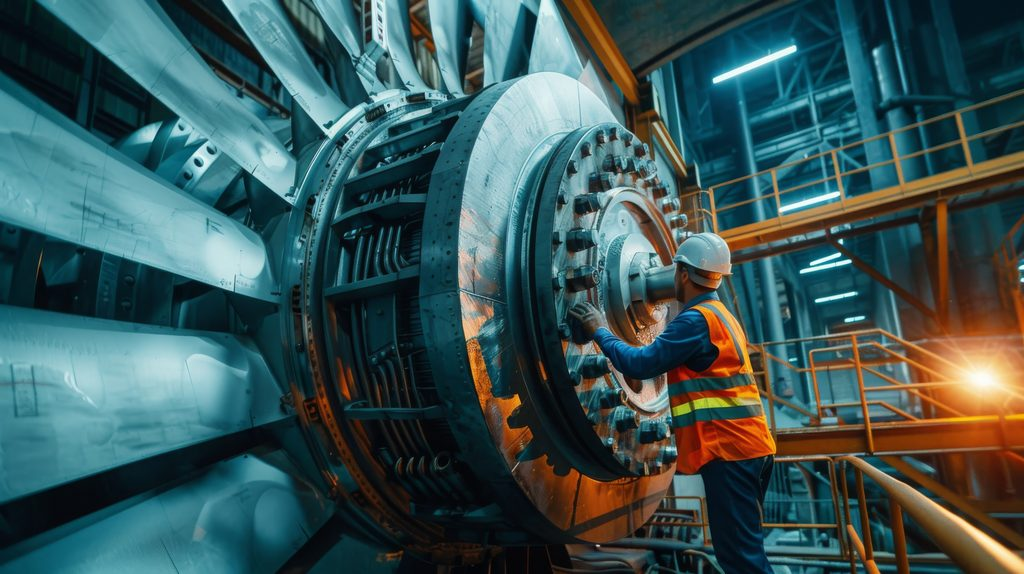
Once you’re qualified and working billable field assignments, your schedule changes. Turbine outages can mean 12-hour shifts, nights, weekends, and holidays.
Those hours can also create significant overtime opportunities. The more field-ready you become, the more opportunity there is to work during the industry’s busy outage seasons.
The outage ends. The work doesn’t.
When a field assignment is complete, you return home to prepare the engineering report that documents what was found, evaluated, and accomplished during the outage.
Report writing is part of the job—and those are working days too.
The result is a career that combines periods of intensive field assignments with paid work performed from home between assignments.
There is a standard.
The training program is pass or fail.
Being hired doesn’t guarantee that you’ll complete it. You have to demonstrate the technical knowledge, judgment, communication skills, and discipline required to represent ITC in the field.
Not everyone will.
That’s what makes completing the program mean something.
Learn from experience.
Build your own.
What we sell is the expert who stands there and makes sure it is done right.
At ITC, you’ll learn alongside experienced turbine engineers, work on real-world projects, and build specialized skills that few engineers have the opportunity to develop early in their careers.
Who we’re looking for
We’re looking for BSME graduates who are engineers by instinct—not just by degree.
People who want to understand how things work—who took things apart growing up, worked in a shop, built things with their own hands, or were the ones actually building the senior design project instead of just managing it.
People who can:
- Think for themselves. Be willing to be the youngest engineer in the room and still speak up about what you see.
- Work with their hands and their head. This is engineering that gets you close to the equipment.
- Communicate clearly. What you observe, recommend, and document matters. Technical writing is a significant part of the job.
- Work independently. Whether you’re at a plant or working remotely, you’re expected to manage your responsibilities without someone standing over you.
- Go where the work is. Turbine outages don’t happen at a desk. Travel can come on short notice and may mean being away for several weeks at a time.
Is this career right for you?
This career isn’t for everyone—and that’s worth knowing before you apply.
If you’re looking for a predictable 8-to-5, limited travel, or a primarily desk-based engineering position, ITC probably isn’t the right fit.
Field engineering is the reverse. Projects can mean long days, changing schedules, short-notice travel, and extended periods away from home—particularly during outage seasons.
But for the right engineer, that’s also the opportunity: See the equipment. Work alongside experts. Solve real problems. Build experience you can’t get behind a desk.